
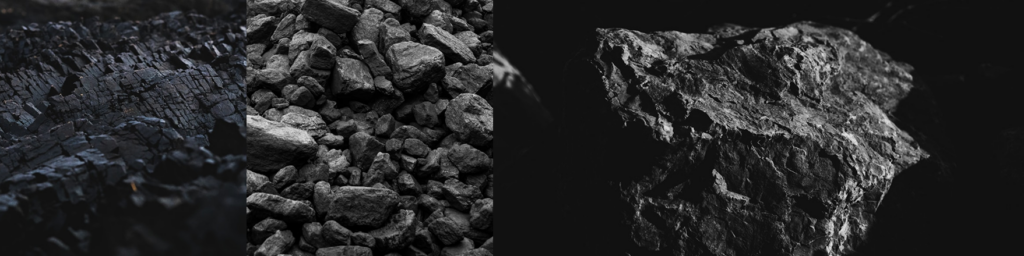
Ash beneficiation in South Africa is governed by evolving environmental regulations aimed at balancing waste management with resource recovery. This update from the Department of Forestry, Fisheries and the Environment (DFFE) outlines how exclusion regulations enable coal ash to be reused in industries such as construction, mining, and manufacturing.Although ash is legally classified as hazardous waste, it can still be beneficiated through approved processes, including licensing, exemptions, and formal exclusion applications. The framework supports circular economy initiatives while ensuring environmental and health risks are properly managed. This overview highlights key regulatory pathways, compliance requirements, and recent developments shaping ash reuse in South Africa.
Key Insights / Summary
Key Topics Covered:
-
Coal ash classified as hazardous waste but still eligible for beneficiation
-
Three legal pathways: licensing, S74 exemptions, and exclusion regulations
-
Exclusion regulations allow waste to be reclassified for beneficial use
-
Mandatory risk assessments and site-specific risk management plans
-
Strict reporting and compliance requirements enforced by DFFE
-
Common application challenges causing delays in approvals
-
Significant diversion of ash from landfills (millions of tons reused)
-
Regulatory updates supporting circular economy initiatives
Industry Relevance
-
Enables reuse of ash in construction, brickmaking, and mine backfilling
-
Supports compliance with environmental legislation and waste regulations
-
Reduces landfill dependency and associated disposal costs
-
Creates opportunities for SMMEs and job creation in the waste sector
Related Resources
-
Ash Beneficiation Research in South Africa: Eskom Case Study & Industrial Applications
-
Waste Management Regulations in South Africa Explained
-
Circular Economy Strategies for Industrial Waste


