Mobile & Tablet Header

Coal Combustion
Products (CCPs)

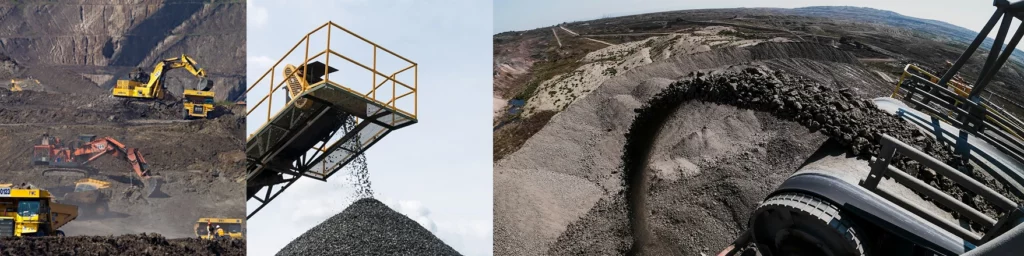
Coal combustion products (CCPs) are the materials produced from the combustion of coal in power generation and industrial processes.
Group 61 2 1024x256

These materials, including fly ash, play an important role in construction, infrastructure and environmental applications across South Africa.

Rectangle 300
ccps

What are Coal Combustion Products?

Coal combustion products (CCPs) is a collective term used to describe all solid materials generated from the combustion of coal.

These materials are produced during electricity generation and industrial processes, including those operated by major energy (ESKOM) and fuel producers (SASOL) in South Africa.

CCPs include a range of materials with different physical and chemical properties, depending on combustion methods and processing techniques.

production

How Coal Combustion Products Are Produced

The characteristics and variety of CCPs depend on several factors related to combustion and material handling processes:
• Combustion technology (e.g. pulverised coal, fluidised bed systems)
• Collection systems (e.g. bag filters, electrostatic precipitators)
• Flue gas treatment processes (e.g. desulphurisation, ammoniation)

These factors influence the composition, particle size and suitability of CCPs for different applications.

Group 61 2 1024x256
logistics

Safe Handling and Transport of CCPs

The responsible use of coal combustion products begins with safe handling and compliant transport. In South Africa, the management of CCPs is guided by environmental legislation such as the National Environmental Management: Waste Act (NEMWA) , as well as transport regulations that classify ash materials according to their physical and chemical properties.

Proper handling minimises dust emissions, protects workers and communities, and ensures that CCPs are delivered to end users in a condition suitable for their intended application. Best practices include dust suppression during loading and unloading, appropriate vehicle containment, and adherence to occupational health and safety standards.

technical

Types and terminology

Each material has specific characteristics and applications depending on how it is produced and processed.

The ash industry uses a range of technical terms to describe materials, processes and applications. The following definitions provide additional clarity.

Rectangle 305
Bottom (Coarse) Ash
Bottom ash is part of the non-combustible residue of combustion in a power station. It accumulates and is collected from the bottom of the boiler and the particle size is larger than fly ash. It has a typical fine sand type feel.
Cenospheres are recovered from the surface of ash disposal ponds and are of similar chemical composition to fly ash. Due to a particle density of less than 1.0 kg/cm³ they float on the water. This type of ash is only found in a wet ash dam and is very limited in South Africa. Cenospheres are only available form Eskom’s Matla Power Station. Please contact: Roeland Thijs
Clinker ash is obtained from a chain grate boiler process that was used in the older power stations and industrial boilers. This ash forms larger clinkers that closely resemble stone formations.
Fly Ash is collected by electrostatic precipitators or bag filter collection. Fly ash is dust-like particles from the flue gasses from power station furnaces fired with coal at about 1400 °C. Fly ash is a fine powder, which is mainly composed of spherical glassy particles. Depending on the type of boiler and coal, siliceous, silico-calcareous and calcareous fly ashes properties are produced. The fly ash can have latent hydraulic and pozzolanic properties. Uses & Benefits: In the building and construction industry Fly ash is widely applied where it is used as a cement extender (blended cements) or an ingredient in its own right in concrete (supplementary cementitious material). Advantages in concrete: Enhanced workability (less water) Improved durability Reduced heat of hydration Reduced alkali-silica Reaction reduced shrinkage Reduced sulphate attack.
Polymer industry: Fly ash can be used as a functional filler in plastics and rubber. Its particle shape aids processing and reduces the amount of polymer required.
The alkaline scrubbing of exhaust gases to remove sulphur dioxide gives rise to an FGD gypsum product. Uses & Benefits: The FGD Gypsum is used for wallboard (gypsum board) manufacture, as a set regulator for cement and in agriculture as a soil enhancer.
The unburned coal, ash and spent bed material produced by an FBC boiler. The bed ash is usually collected separately and can be considered as being equivalent to bottom ash in a dry-bottom or wet-bottom wall fired furnace. Uses & Benefits: Widely used internationally but not currently available in South Africa.
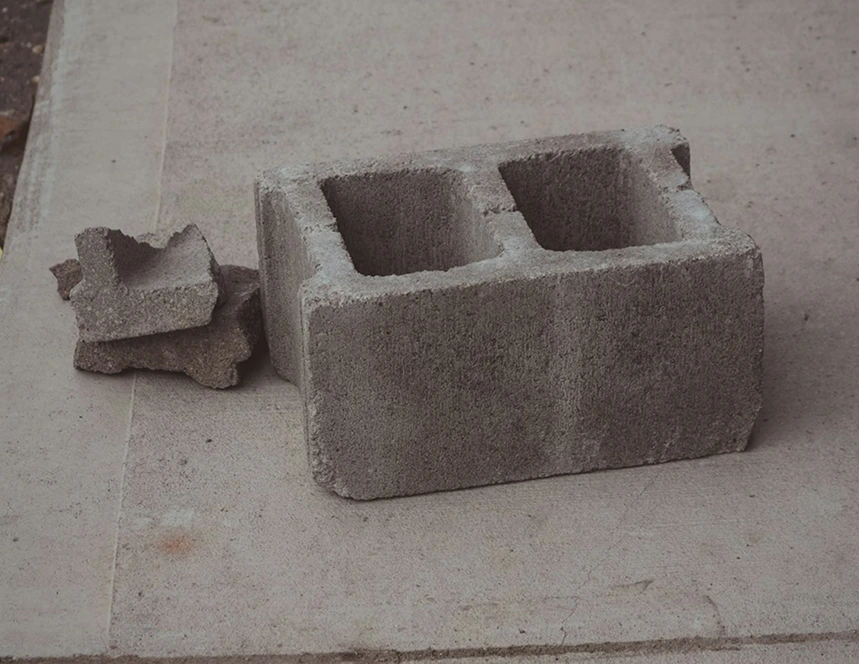
SASOL produces a coarse clinker-like ash during the gasification of coal for the production of liquid fuels. Uses & Benefits: Used in the manufacture of bricks and blocks.
resources

Related Technical and Research Documents

Coal combustion products form part of a broader technical and regulatory landscape. The following resources provide additional context, standards and research related to their use in South Africa.

SACAA supports informed decision-making through access to technical guidance, regulatory frameworks and industry research.
Rectangle 20
Rectangle 22