
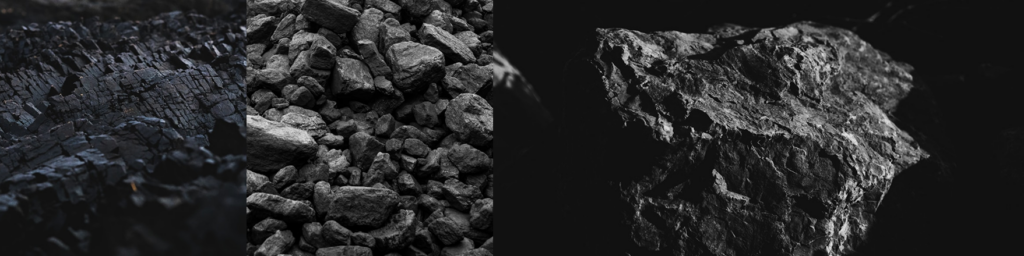
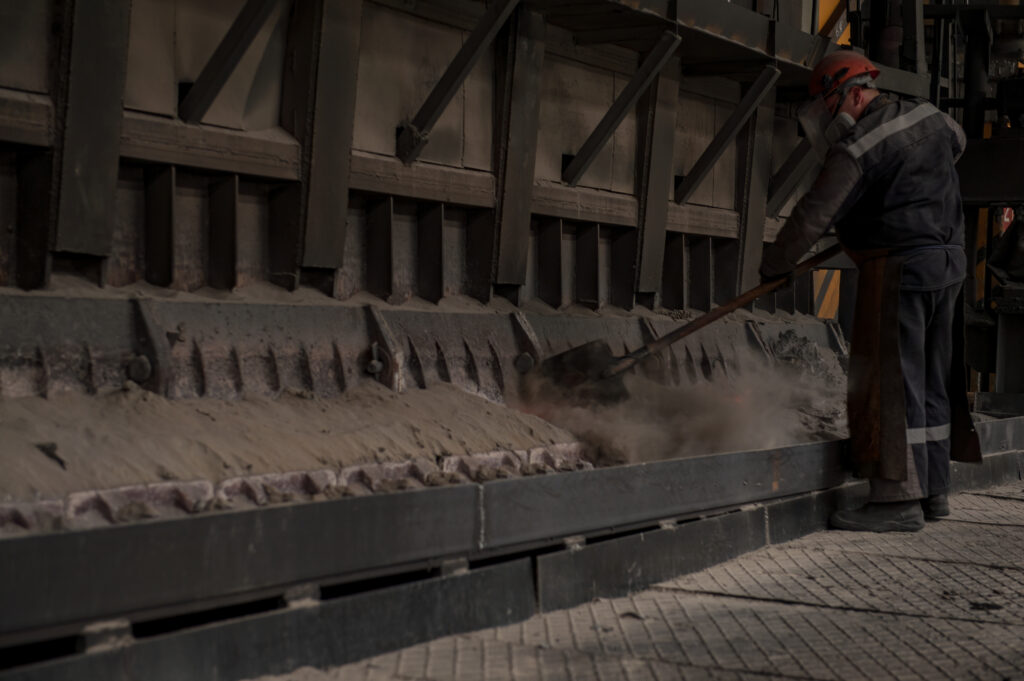
Ash in mine backfilling is an emerging solution for addressing environmental challenges associated with coal mining, particularly acid mine drainage (AMD). This research explores how coal fly ash can be used to stabilise mine voids, improve water quality, and support mine rehabilitation efforts.By leveraging the alkaline properties of fly ash, the study demonstrates how acidic mine water can be neutralised while reducing the mobility of harmful metals. Through laboratory experiments, field trials, and modelling scenarios, the research highlights the potential of ash-based backfilling systems to improve environmental outcomes and support sustainable mining practices.
Key Insights / Summary
Key Topics Covered:
-
Use of fly ash to neutralise acid mine drainage and increase pH levels
-
High removal efficiency (up to 99%) of metals such as iron, copper, zinc, and manganese
-
Backfilling systems reduce oxygen exposure, limiting AMD formation
-
Laboratory and field studies confirm strong acid-neutralising capacity of ash
-
Performance differences between unmodified and activated ash materials
-
Modelling shows how ash mixtures influence water flow and contaminant movement
-
Site monitoring highlights poor water quality near mine discharge points
-
Importance of barrier design and material composition for long-term stability
Applications
-
Mine void backfilling and rehabilitation
-
Acid mine drainage treatment systems
-
Permeable reactive barriers for water quality control
-
Environmental management in active and closed mining sites
Related Resources
-
Ash Beneficiation Research in South Africa: Eskom Case Study & Industrial Applications
-
Ash in Soil Amelioration: Improving Soil Health with Fly Ash Applications
-
Sustainable Mine Rehabilitation and Water Treatment Solutions


