
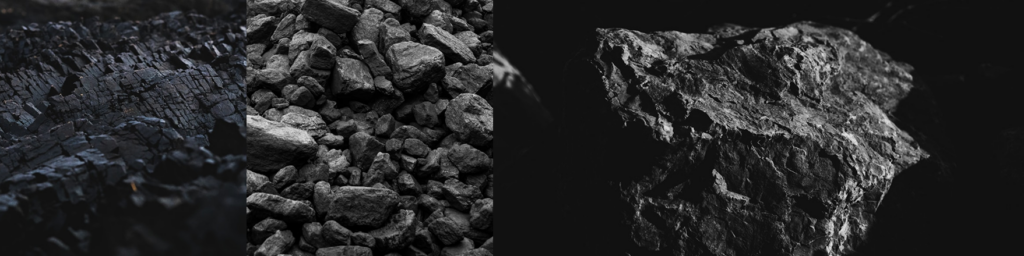
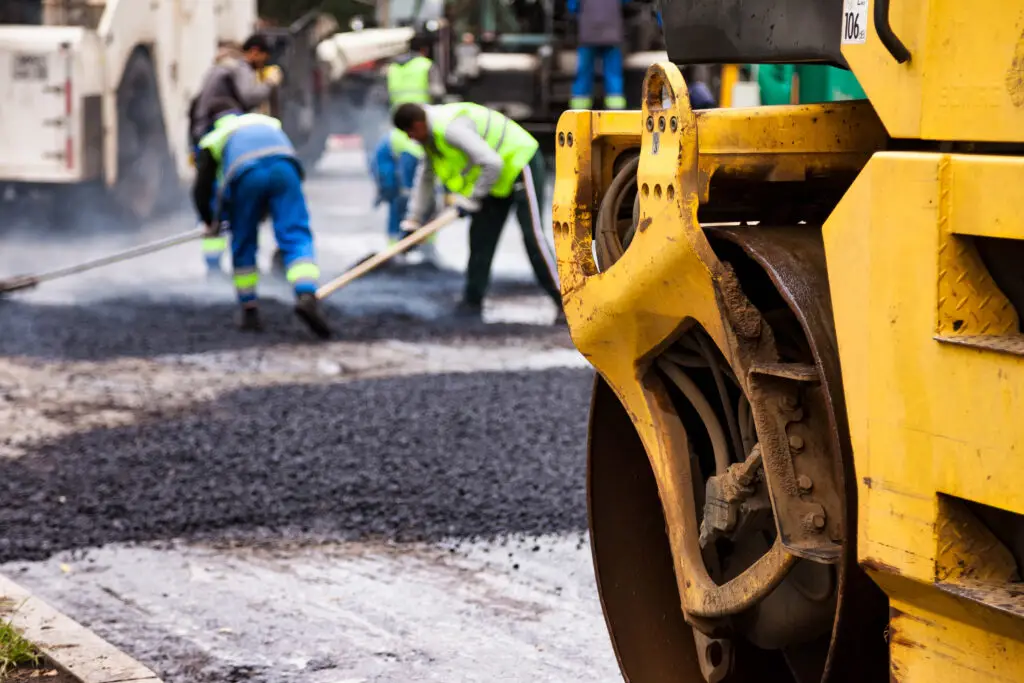
The use of legacy coal ash in road construction is emerging as a sustainable solution to both waste management and infrastructure challenges in South Africa. This Eskom-led research and pilot project explores how previously dumped (legacy) ash can be repurposed into high-performance road materials. By combining fly ash, bottom ash, and other industrial by-products, the study demonstrates how geopolymer-based road construction can reduce costs, lower carbon emissions, and minimise reliance on virgin materials. The project includes real-world trials at Kusile Power Station, highlighting the potential for large-scale adoption of ash-based road technologies.
Key Insights / Summary
Key Topics Covered:
-
Legacy coal ash is a mix of fly ash and bottom ash, offering reactive and reusable properties
-
Pilot road projects at Kusile Power Station validate real-world performance
-
Ash used in base, sub-base, and wearing course layers of road construction
-
Geopolymer technology enables strong, durable materials (≈30–34 MPa strength)
-
Significant cost savings compared to conventional road materials
-
Reduced reliance on mined virgin aggregates and imported materials
-
Lower cement usage leads to reduced CO₂ emissions and carbon credits
-
Ash-based materials are stable, with low leaching and improved durability
Benefits
-
Reduces construction costs and material expenses
-
Diverts large volumes of ash from disposal facilities
-
Lowers carbon footprint and supports climate goals
-
Improves long-term road durability and performance
Related Resources
-
Ash Beneficiation in Construction and Mining: Sustainable Materials & Low-Carbon Innovation
-
Fly Ash in Cement Manufacturing: Performance, Standards & Optimization
-
Ash Beneficiation Research in South Africa: Eskom Case Study & Industrial Applications


