
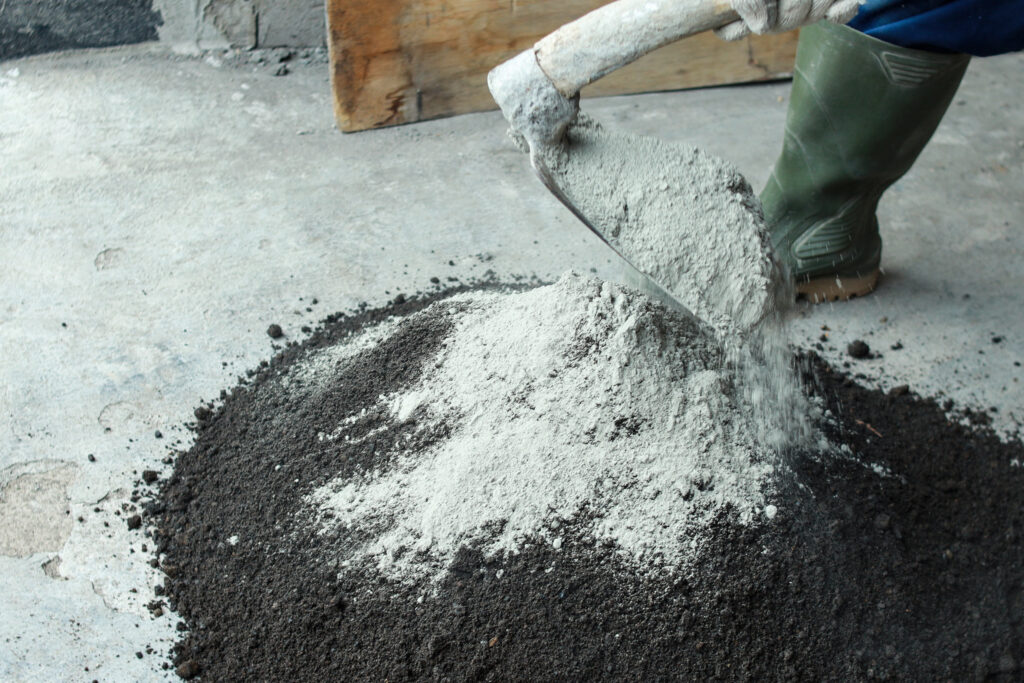
Coal ash soil remediation has emerged as a practical solution for environmental recovery in South Africa, particularly in emergency scenarios. This case study from SANEDI, Eskom, and the South African National Defence Force (SANDF) highlights how coal ash was used to treat sewage-contaminated soil in Lephalale during the COVID-19 pandemic. Following a sewage spill in July 2020, rapid intervention was required to prevent health risks and ecological damage. The project demonstrates how fly ash can neutralise contaminants, improve soil quality, and restore vegetation. It also showcases the role of intergovernmental collaboration in delivering fast, effective environmental remediation solutions.
Key Insights / Summary
Key Topics Covered:
-
Emergency response to sewage-contaminated soil using coal ash
-
Collaboration between SANEDI, Eskom, and SANDF enabled rapid remediation
-
High pH of coal ash used to pasteurise and neutralise harmful pathogens
-
Improvements in soil structure, fertility, and water retention
-
Use of Medupi Power Station ash for consistent and reactive material quality
-
Six tons of ash applied to contaminated site for immediate treatment
-
Natural incorporation of ash into soil within months
-
Full environmental recovery observed within 12–16 months
Applications
-
Emergency environmental remediation (e.g. sewage spills)
-
Soil rehabilitation in contaminated or degraded areas
-
Public health risk mitigation in urban and rural settings
-
Sustainable reuse of coal ash in land restoration projects
Related Resources
-
Ash in Soil Amelioration: Improving Soil Health with Fly Ash Applications
-
Ash in Mine Backfilling: Managing Acid Mine Drainage and Sustainable Rehabilitation
-
Ash Beneficiation Research in South Africa: Eskom Case Study & Industrial Applications


