

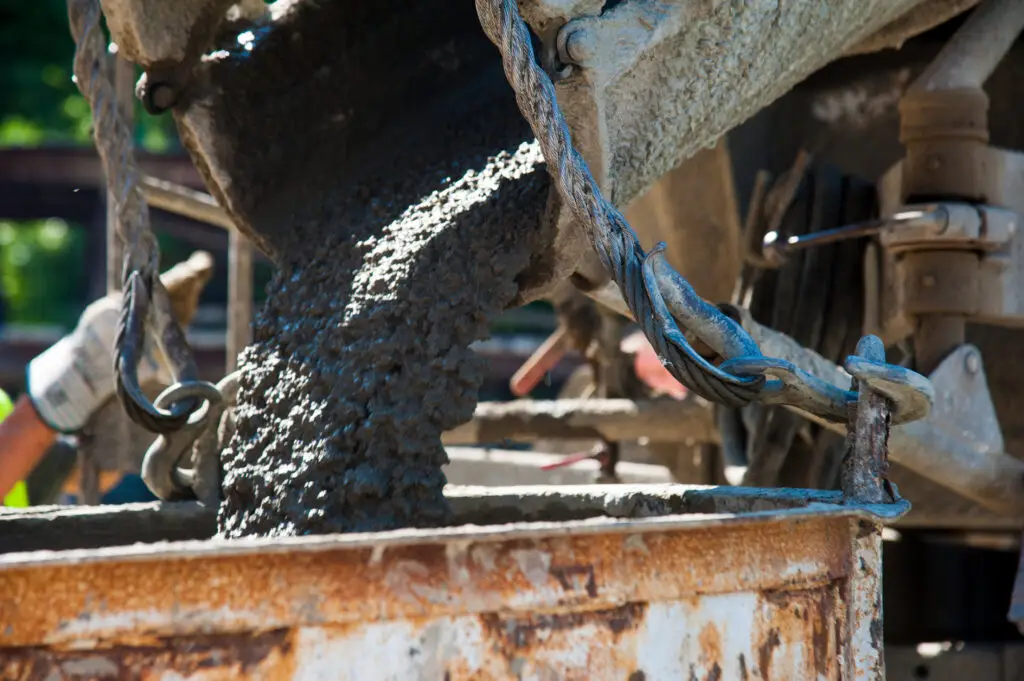

Concrete block and paving tile manufacturing is a practical and scalable opportunity within the construction and materials sector. This SACAA guide provides a step-by-step overview of how to produce concrete floor tiles, pavement bricks, and hollow blocks using locally available materials such as cement, aggregates, and ash. The content covers everything from raw material selection and mix design to moulding, curing, and quality control. It also highlights the role of alternative materials like fly ash and bottom ash in improving sustainability and reducing costs. Whether for small-scale entrepreneurs or industrial production, the guide outlines best practices for producing durable, high-quality concrete products.
Key Insights / Summary
Key Topics Covered:
-
Concrete products can be manufactured manually or with machines depending on scale
-
Use of materials such as cement, fly ash, bottom ash, sand, and aggregates
-
Importance of correct mix ratios for strength, durability, and cost efficiency
-
Step-by-step processes for mixing, moulding, and curing concrete products
-
Curing (minimum 7 days) is critical for strength and long-term durability
-
Quality depends on clean materials, correct water ratios, and proper handling
-
Concrete blocks are lighter and faster to install than traditional bricks
-
Safety practices are essential due to risks from cement exposure and manual handling
Applications
-
Manufacturing of paving bricks for roads, walkways, and driveways
-
Production of concrete hollow blocks for residential and commercial buildings
-
Small-scale business and job creation opportunities in construction
-
Use of ash-based materials for more sustainable building products
Related Resources
-
Fly Ash in Cement Manufacturing: Performance, Standards & Optimization
-
Ash Beneficiation in Construction and Mining: Sustainable Materials & Low-Carbon Innovation
-
What Do We Know About Coal Ash? Understanding Types, Uses & Industry Potential


