

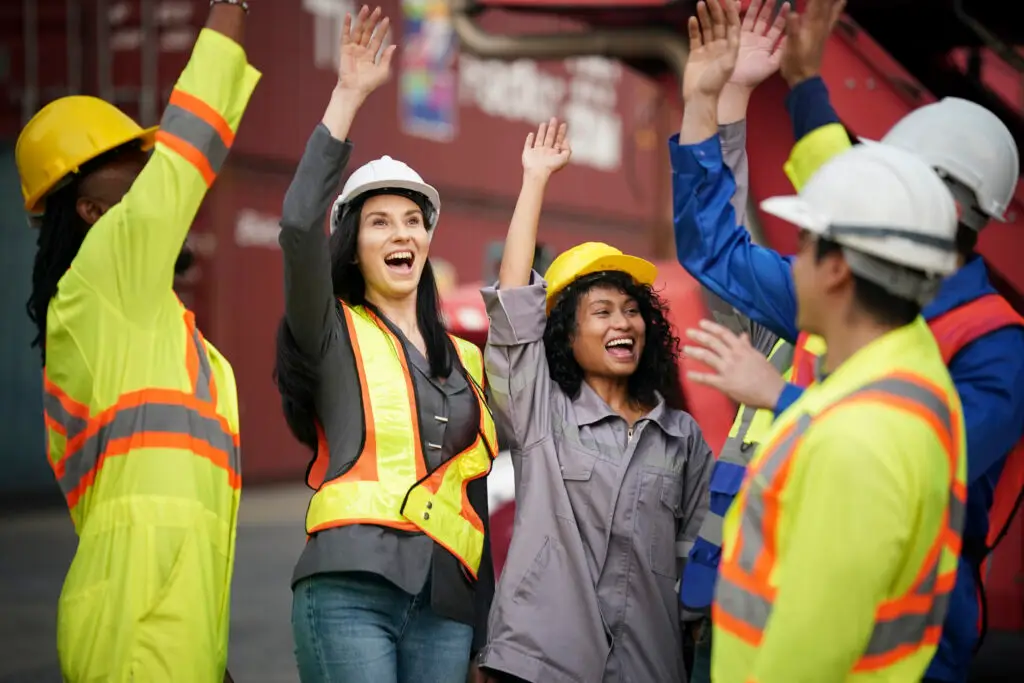
Workplace safety in South Africa is evolving beyond physical hazards to include psychological safety and organisational culture. This 2024 presentation explores how creating a psychologically safe work environment can improve team performance, communication, and overall safety outcomes.The content highlights the role of leadership, trust, and team dynamics in building resilient safety cultures—particularly in high-risk industries. It introduces key concepts such as vulnerability, team engagement, and the four stages of psychological safety, providing practical guidance for organisations aiming to strengthen both employee wellbeing and operational performance.
Key Insights / Summary
Key Topics Covered:
-
Psychological safety is a core driver of workplace and organisational safety culture
-
Four stages of psychological safety: inclusion, learner, contributor, and challenger safety
-
Safe environments encourage employees to speak up, ask questions, and share ideas
-
Lack of psychological safety leads to fear, reduced performance, and disengagement
-
“Punished vulnerability” results in lower productivity, quality, and employee retention
-
Trust and team culture influence behaviour, decision-making, and safety outcomes
-
Leaders play a key role in modelling and reinforcing safe behaviours
-
Continuous assessment and feedback help improve workplace safety culture
Benefits
-
Improves employee engagement and team performance
-
Encourages open communication and innovation
-
Reduces workplace risks linked to silence or fear
-
Supports stronger, more resilient safety cultures
Related Resources
Managing Occupational Health and Safety in Remote Work Environments
Employer and Employee Rights and Obligations in South Africa (BPG 004 Guide)
MHSC GBVF Presentation: Addressing Gender-Based Violence in the Workplace


